
Finding Calm: Effective Stress Management Through Body Awareness Techniques
Stress can weigh on your body long before your mind fully notices. When tension settles deep inside, traditional relaxation techniques might miss the mark. Learning to listen closely to your body opens a new door to stress management through mindful awareness. In this post, you’ll find simple, practical ways to use body awareness that ease stress and invite calm. For more on stress management techniques, you can explore this resource.
Understanding Body Awareness

You might not realize it, but your body is always communicating with you. It provides valuable clues about how you’re really feeling. Learning to tune into these signals is the first step toward effective stress management.
The Power of Mindfulness
Mindfulness lets you notice and embrace the present moment. It’s about paying close attention to what your body is saying. This practice can help you understand tension spots you didn’t even know were there. Most people think stress is only mental, but your body often tells a different story. By staying present, you can catch the subtle shifts in your body and mind.
Mindfulness is not just a quiet practice; it is active listening. As you become more mindful, you’ll notice how your body reacts throughout the day. When you feel a knot in your stomach or a tightness in your chest, you’re gaining insight into your stress levels. These are signs urging you to pause and breathe.
Embracing mindfulness means accepting without judgment. This approach can dissolve stress before it escalates. As you cultivate this awareness, you’ll find it easier to relax and respond to life’s challenges with calmness. For more insights into maintaining mental health, explore this comprehensive guide.
Connecting Mind and Body
Your mind and body are deeply connected, influencing each other constantly. Stress in one area can ripple through the other, leading to a cycle of tension. Breaking this cycle requires understanding and awareness.
Think of your body as a map. Each sensation is a marker showing you where stress hides. When you learn to read this map, you gain control and can guide yourself to a calmer state. This is not just about feeling better physically; it’s also about fostering mental peace.
Most people believe stress is purely mental, but your body tells a story that words cannot. By tuning into your bodily sensations, you can uncover hidden stressors. This connection is crucial for long-term stress reduction and holistic health. For effective strategies, the Mayo Clinic offers several relaxation techniques.
Techniques for Stress Management
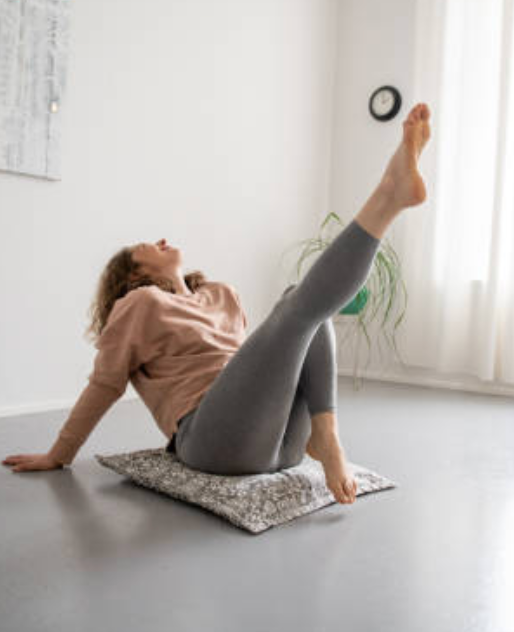
Once you’re aware of your body’s signals, you can start using specific techniques to manage stress. These methods are simple yet powerful, promoting relaxation and well-being.
Relaxation Techniques for Calm
To truly calm your mind, you must first calm your body. Stress management begins with relaxation techniques that are both easy and effective.
-
Deep Breathing: Focus on your breath. Inhale slowly through your nose, hold for a moment, and exhale gently. This practice can instantly ease tension.
-
Progressive Muscle Relaxation: Tense and then slowly release each muscle group. Start from your toes and move upwards. This helps release stress held in your body.
-
Guided Imagery: Picture a peaceful scene. Imagine all the details—the sounds, smells, and sights. This visualization can transport your mind to a place of calm.
These techniques allow you to pause and reset. They’re practical tools for everyday stress management, offering a quick path to relaxation. For more on effective stress strategies, check out this expert guide.
Holistic Health Benefits
Stress management isn’t just about feeling good in the moment; it’s about long-term health. Regularly practicing body awareness and relaxation techniques can lead to significant holistic benefits.
-
Improved Sleep: As stress decreases, sleep quality often improves. Your body can rest and recover better.
-
Enhanced Focus: With a calmer mind, tasks become easier to manage, boosting productivity.
-
Better Mood Regulation: Understanding your stress triggers helps you handle emotions with greater ease.
By focusing on your body’s needs, you can foster a healthier, more balanced life. These small changes build over time, leading to lasting wellness.
Personal Growth Through Awareness

With body awareness, you open doors to personal growth. This journey not only reduces stress but also enriches your understanding of yourself.
Mindful Movement Practices
Movement can be a powerful tool for stress reduction and personal growth. Engaging in mindful movement practices allows you to connect deeply with your body.
Practices like yoga, tai chi, or gentle stretching encourage you to move with intention. These movements aren’t about fitness; they’re about connecting with yourself. As you move, notice how each part of your body feels. This practice helps you become more attuned to your body’s needs.
Mindful movement is a form of meditation in motion. It teaches you to honor your body’s limits and celebrate its strengths. As you practice, you’ll discover a new sense of peace and self-awareness. Ready to explore more? Discover more about mindful practices.
Emotional Insight and Acceptance
Body awareness extends beyond physical sensations. It also encompasses emotional insight. Understanding your emotional landscape is crucial for personal growth.
As you become more aware, you’ll notice the emotions tied to different bodily sensations. This understanding helps you accept your feelings without judgment. Most people think emotions should be controlled, but awareness teaches you that acceptance is key.
By embracing your emotions, you can release stress and cultivate inner peace. This practice leads to greater emotional resilience and self-acceptance. The longer you wait to explore this connection, the more stress may build. Start today, and discover the power of awareness in transforming your life.
🌿