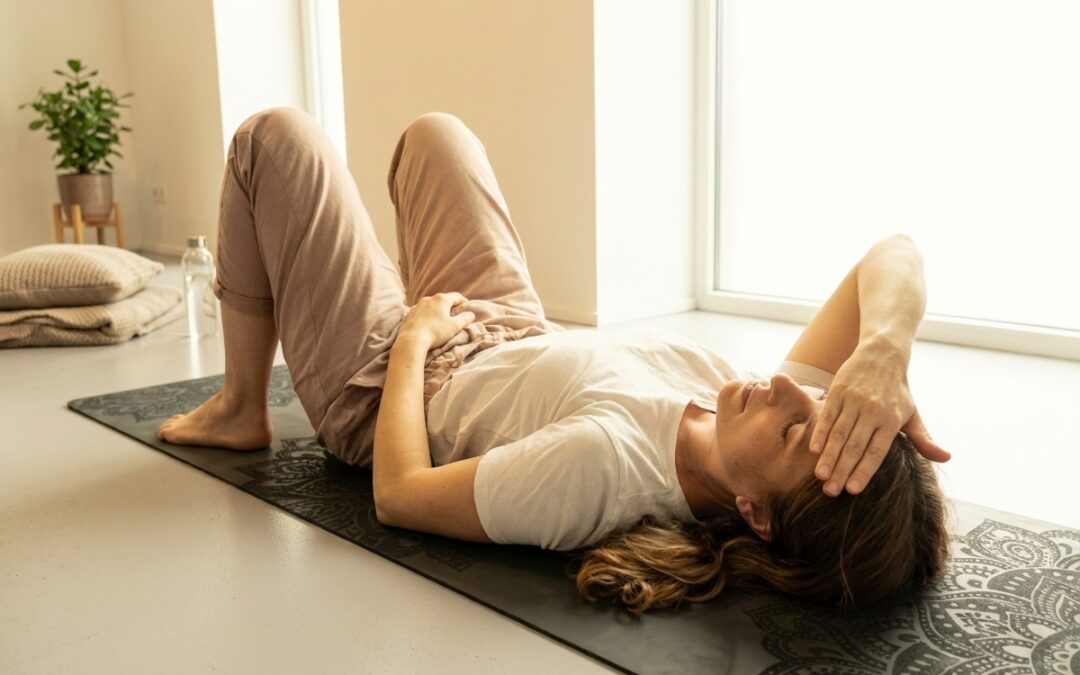
Most people think mindful movement is just gentle stretching. The truth is it reshapes how you feel in your body and calms your emotions from the inside out. In this post, you’ll learn how simple Awareness Through Movement lessons build body awareness and steady your nervous system, creating ease you can carry into every day. Learn more here.
Cultivating Body Awareness
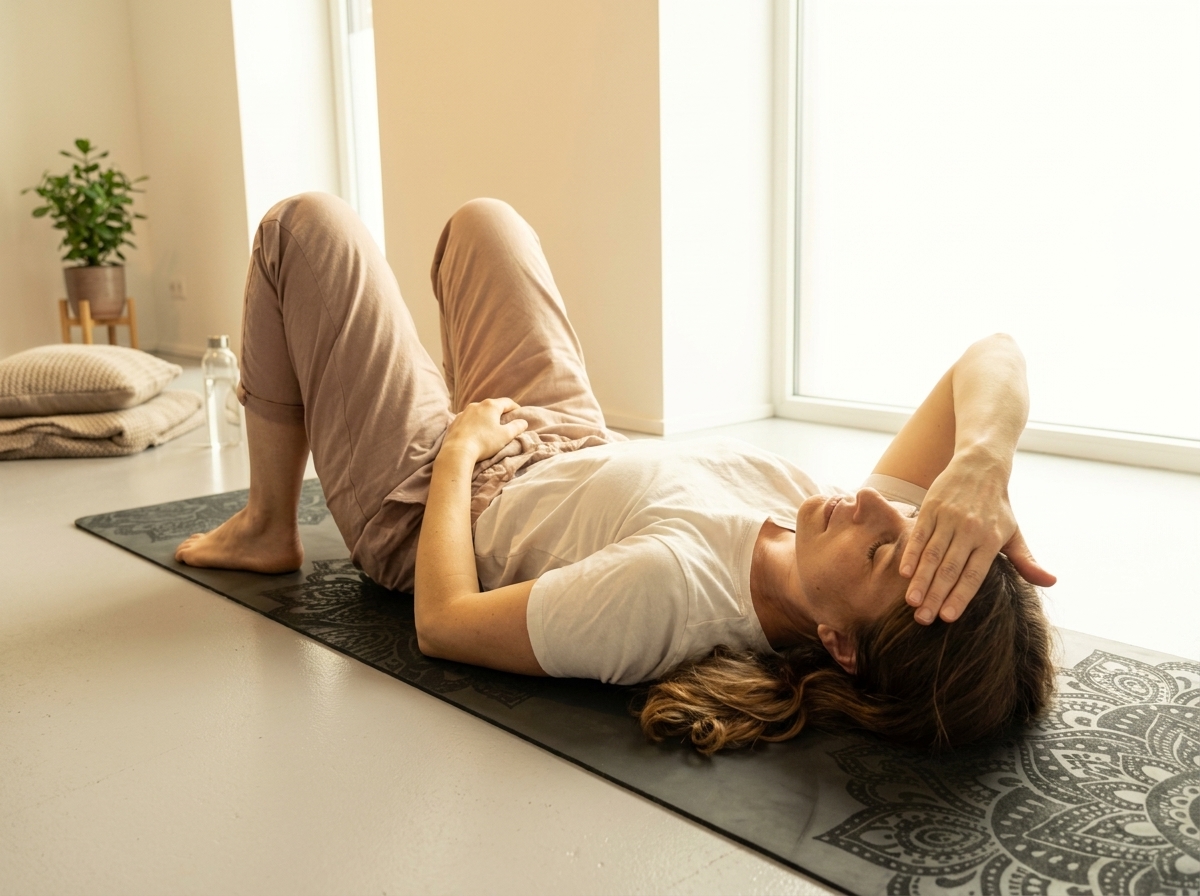
Mindful movement helps you connect with your body in ways you might not expect. By tuning in, you discover how movement shapes your feelings and thoughts.
Mindful Movement Techniques
Imagine moving with a sense of freedom. Mindful movement lets you explore this. It starts with simple steps. Begin by paying attention to your breathing. Notice how each breath feels and where you might hold tension. As you move, stay aware of your body’s sensations. This practice isn’t about doing it perfectly; it’s about noticing.
Next, try small, gentle movements. Roll your shoulders or sway side to side. Focus on how your body moves. This awareness helps you learn more about yourself. Mindful movement creates a deeper connection between body and mind, making each moment more meaningful.
Benefits of Feldenkrais Lessons
Feldenkrais lessons offer a unique way to build body awareness. These lessons guide you gently, helping you explore new ways of moving. You’ll find that small changes can make a big difference. With Feldenkrais, you learn to move with ease.
The lessons are simple but powerful. As you practice, you’ll notice improvements in flexibility and comfort. Your body learns to let go of old patterns. This results in a new sense of freedom. You’ll feel more at home in your own skin. Try it yourself and see how Feldenkrais lessons can transform your movement.
Building Somatic Mindfulness
Somatic mindfulness is all about being present in your body. It deepens your awareness of physical sensations. Start by noticing small things, like the texture of your clothes or the feel of the floor under your feet.
This practice helps you become more attuned to your body’s signals. You begin to recognize what it needs. Somatic mindfulness allows you to respond with care and attention. Over time, you’ll develop a stronger connection with your body, leading to increased self-awareness.
Emotional Regulation Through Movement
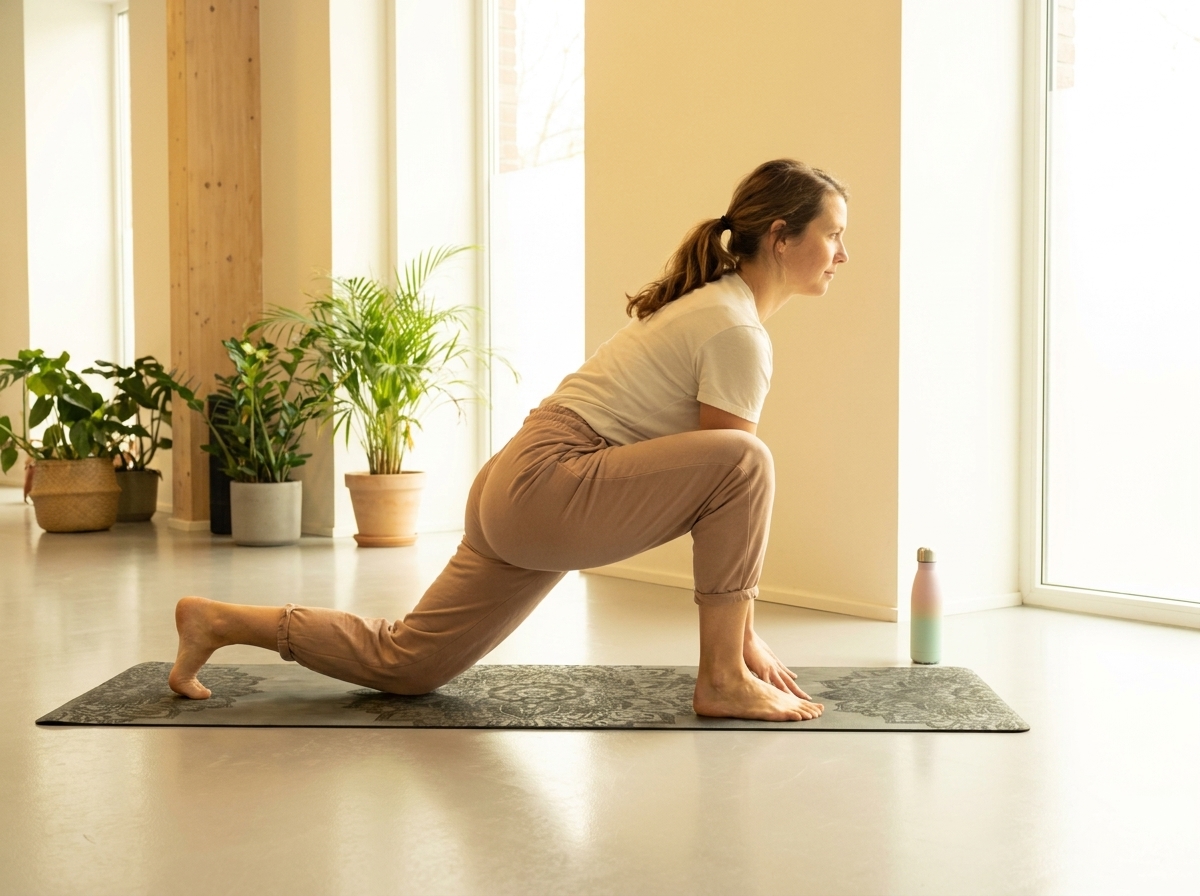
Understanding how movement affects emotions is key. By linking body awareness with emotional health, you open up new ways to support yourself.
Connection Between Emotions and Body
Emotions and the body are closely linked. Each feeling you have creates a response in your muscles and posture. Think of how your body reacts when you’re tense or calm.
By noticing these responses, you can begin to change them. When you become aware of how your body holds stress, you can gently release it. This practice supports emotional regulation, helping you feel more balanced and grounded.
Techniques for Nervous System Regulation
Calming your nervous system can be as simple as changing how you move. Slow, deliberate movements signal your body to relax. Start with deep breathing. Inhale slowly, then exhale fully. This simple step calms your body.
Next, try gentle stretching. Pay attention to how each stretch feels. Notice how your body relaxes with each breath. These techniques help regulate your nervous system, promoting a sense of peace.
Emotional Freedom and Inner Peace
Achieving emotional freedom begins with understanding your body. As you practice mindful movement, you gain insight into your emotional patterns. This awareness allows you to let go of what’s holding you back.
Mindful movement teaches you to approach emotions with kindness. Instead of reacting, you respond with awareness. This shift brings inner peace and emotional freedom, allowing you to live more fully in the present moment.
Everyday Ease and Presence
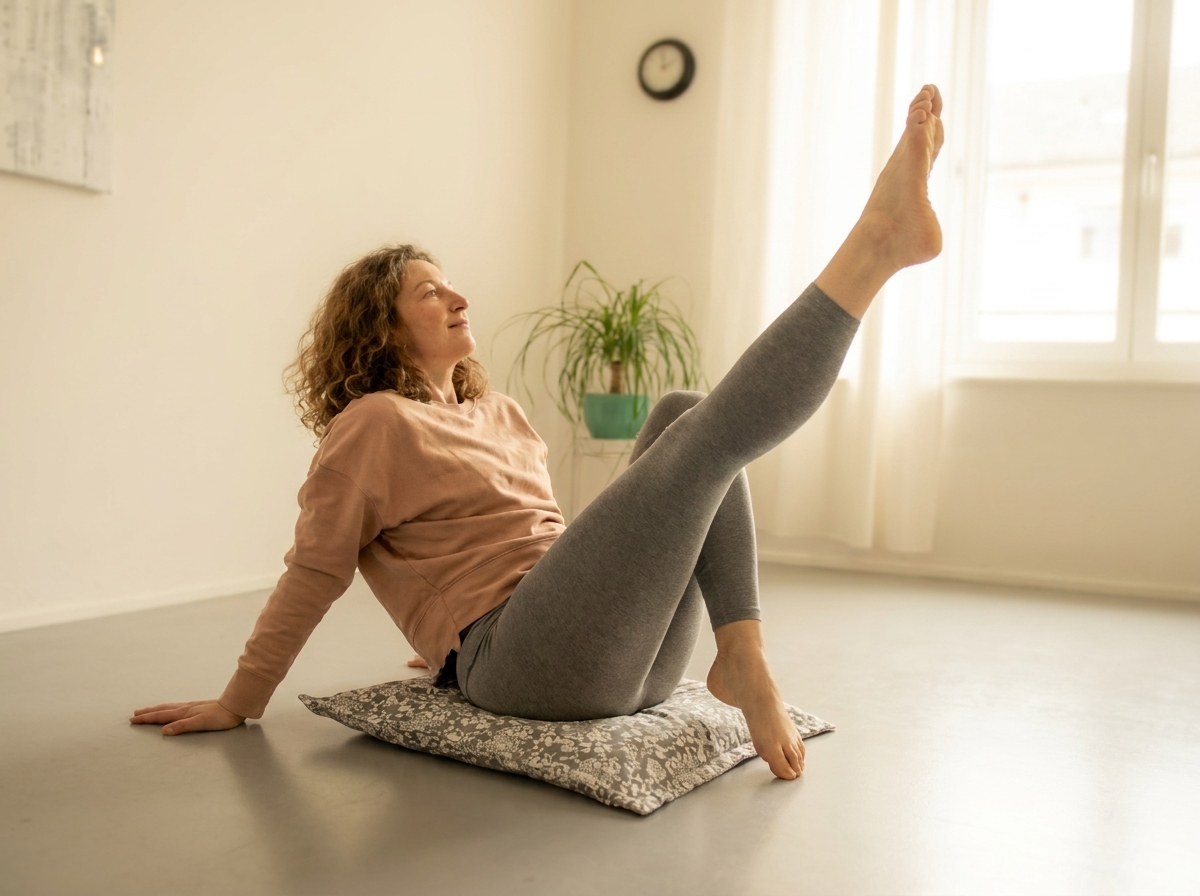
Once you’ve explored body awareness and emotional regulation, bringing these insights into daily life is the next step.
Gentle Movement for Daily Life
Incorporating gentle movement into your day can be transformative. Simple activities like walking mindfully or stretching during breaks keep you connected to your body.
These movements don’t require special skills. They’re easy to integrate and make a significant difference. By staying present, you cultivate a sense of ease that carries through your daily routine.
Practical Self-awareness Practices
Building self-awareness is an ongoing process. Begin each day with a moment of reflection. Ask yourself what your body needs. Use this awareness to guide your actions.
Throughout the day, check in with your body. Notice how you feel. This practice increases your understanding of yourself, helping you make choices that support your well-being.
Stress Relief and Mind Body Connection
Stress relief starts with the mind-body connection. By practicing mindful movement, you develop a sense of balance. This connection helps you manage stress more effectively.
Remember, the longer you wait to start, the more stress can build up. By taking small steps each day, you strengthen your resilience. Embrace mindful movement as a tool for stress relief and discover the peace that comes from connecting with your body.
By integrating these practices into your life, you open the door to greater ease and presence. Explore these techniques and enjoy the benefits they bring.