

Cultivating Emotional Resilience Through Mindful Movement
Most of us carry stress in our bodies without realizing it. When emotions feel overwhelming, your body holds the story, waiting for a gentle response. Mindful movement taps into this body awareness, helping you build emotional resilience step by step. In this post, you’ll learn how simple, mindful practices can support your personal growth and deepen your connection to yourself. [https://markspsychiatry.com/how-mindful-movement-strengthens-your-mental-health/]
Understanding Mindful Movement
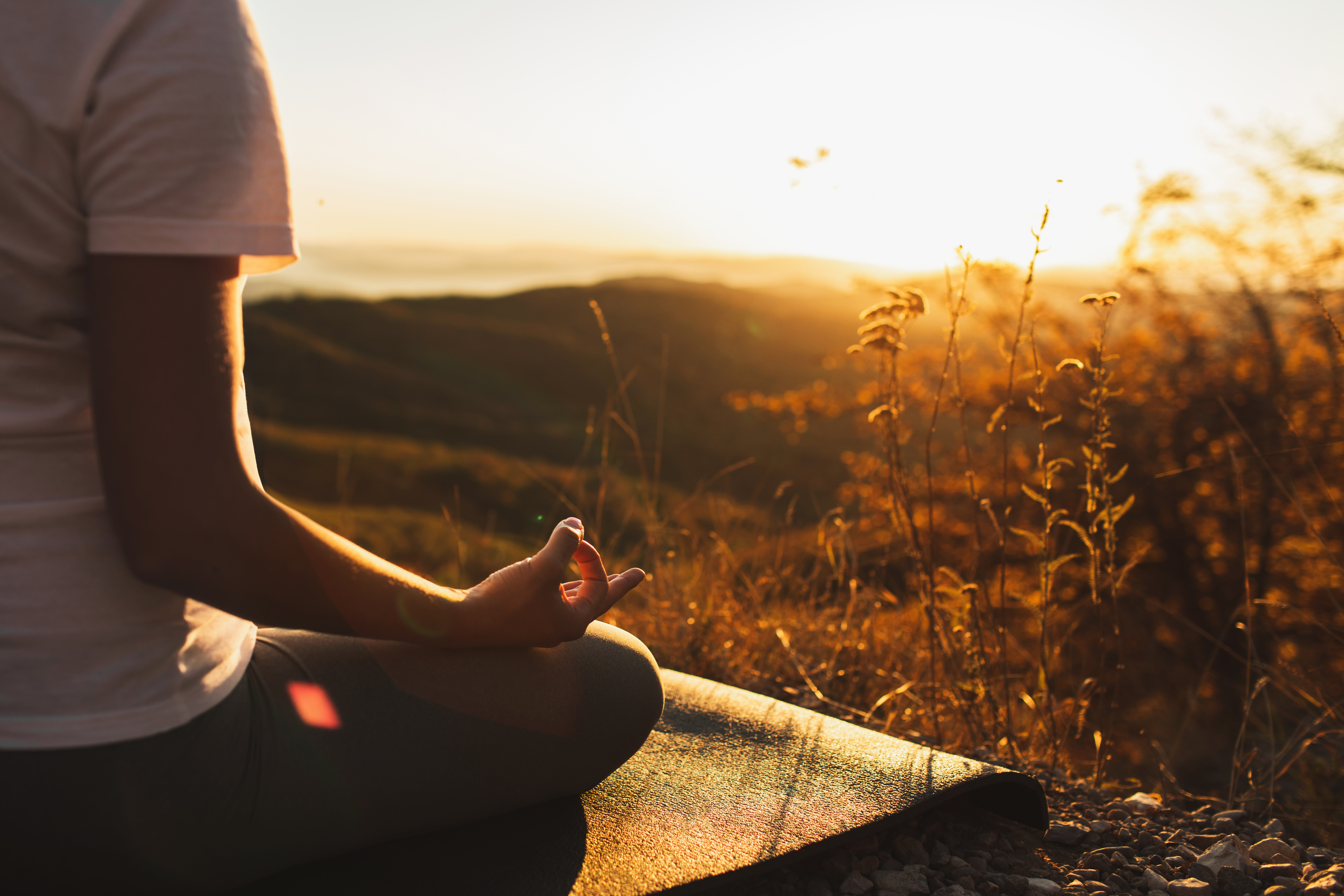
Mindful movement bridges the gap between your thoughts and physical sensations. By focusing on how your body feels, you learn to be present. This connection offers a powerful way to process emotions.
Connecting Body and Mind
Your body and mind are closely linked. When something feels wrong in your mind, it often shows in your body. Think about a time when stress made your shoulders tense. By noticing these signs, you start understanding yourself better. Mindful movement helps you tune into these signals. For example, yoga encourages you to notice how your muscles stretch and relax. Even a short walk while paying attention to each step can bring awareness. This practice builds a bridge between what your mind and body are experiencing.
Building Emotional Resilience
Emotional resilience is your ability to bounce back from challenges. Mindful movement plays a key role in this process. When you engage in these practices, you create a safe space to explore your feelings. Imagine a day when you feel overwhelmed. By slowly moving your arms and focusing on your breath, you allow emotions to flow without judgment. This practice not only helps you cope with stress but also strengthens your inner stability. You learn that emotions are part of you, not something to fear.
Benefits of Emotional Resilience
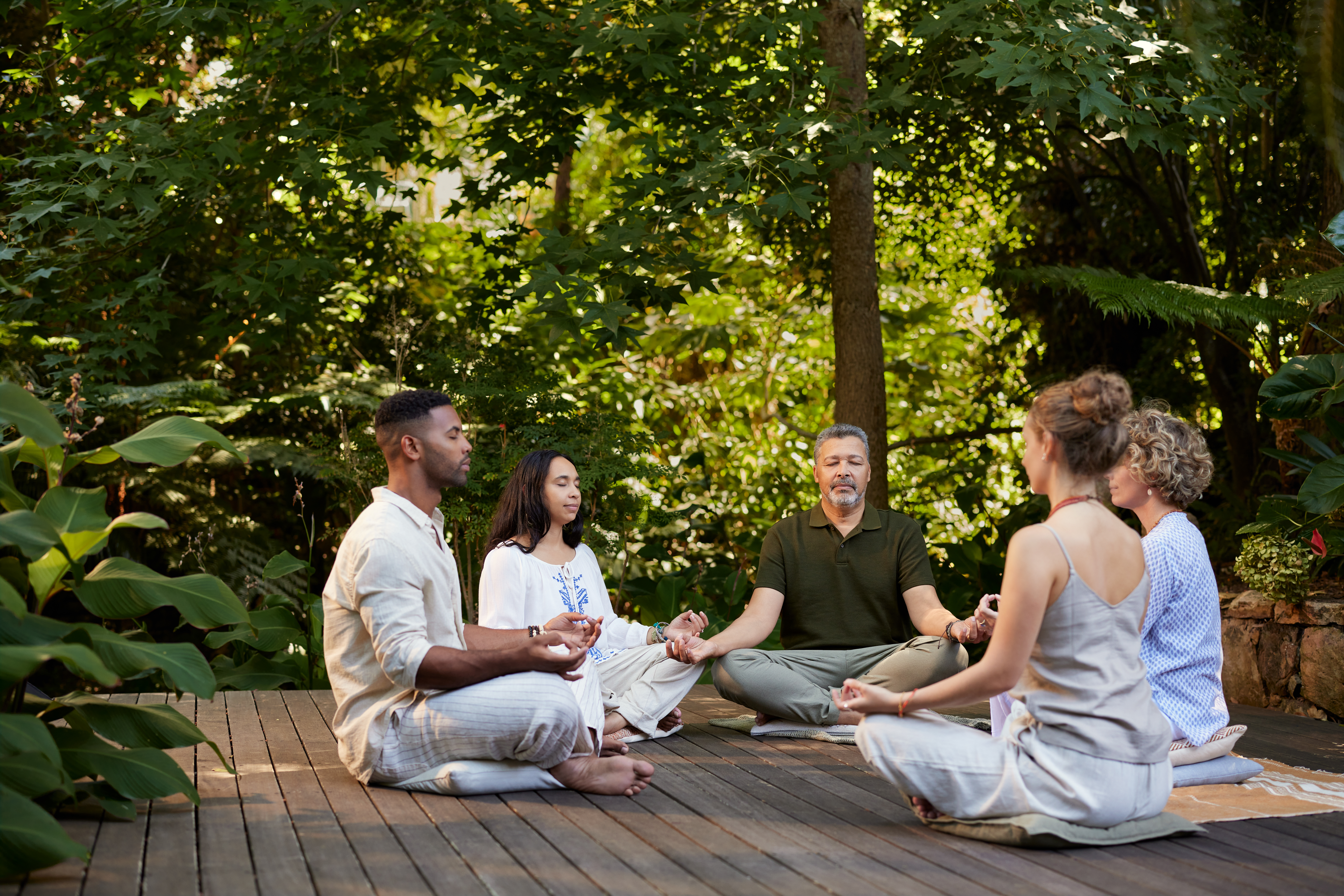
Building emotional resilience offers numerous benefits. It helps you handle life’s ups and downs with greater ease. Let’s explore how this ties into stress management and personal growth.
Stress Management Techniques
Stress affects everyone. But how you deal with it makes a difference. Mindful movement provides simple techniques to manage stress better. When you feel stress creeping in, try these steps:
-
Pause and Breathe: Take a moment to focus on your breath. Inhale deeply and exhale slowly. This calms your mind and body.
-
Gentle Movement: Shift your body gently. Stretch your arms or roll your shoulders. This releases tension and brings relief.
-
Body Scan: Notice each part of your body. Start from your toes and move up to your head. This practice helps you identify where stress resides.
These techniques promote calmness and clarity. They remind you that stress doesn’t control you. Instead, you have the tools to manage it effectively.
Personal Growth Through Movement
Movement isn’t just physical. It reflects your growth journey. As you practice mindful movement, you learn more about yourself. You discover new strengths and capabilities. Picture yourself trying a new yoga pose. At first, it seems challenging. But with practice, you achieve it. This mirrors life’s challenges. You learn that persistence and patience lead to progress. Each small movement becomes a step toward personal growth. You become more aware of your potential and learn to trust your journey.
Practical Mindfulness Practices
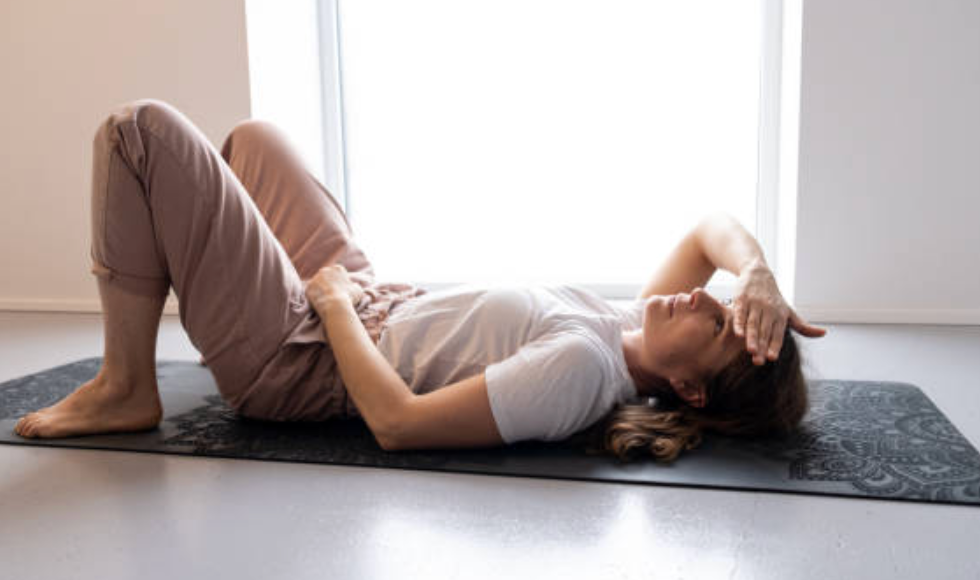
Practicing mindfulness can enhance your life in many ways. It improves your relationship with your body and helps you incorporate mindful movement into your daily routine.
Enhancing Body Awareness
Body awareness is about listening to your body. It means noticing how it feels and what it needs. For instance, after a long day, your back might feel stiff. By acknowledging this, you can take steps to relieve it. Here’s how to enhance body awareness:
-
Check-in Regularly: Pause several times a day to notice your body’s sensations.
-
Mindful Eating: Pay attention to each bite you eat. Notice flavors, textures, and how your body reacts.
-
Movement Breaks: Incorporate short movement sessions in your day. Simple stretches or a quick walk can make a difference.
Being in tune with your body helps you respond to its needs. This awareness supports your overall well-being.
Incorporating Mindful Movement Daily
Making mindful movement a daily habit brings long-lasting benefits. Here are ways to include it in your routine:
-
Morning Stretch: Start your day with gentle stretches. This awakens your body and sets a positive tone.
-
Mindful Walking: Use your commute or break time for mindful walking. Focus on each step and breathe deeply.
-
Evening Wind-down: Before bed, engage in calming movements. This helps your body relax and prepares you for restful sleep.
By embracing these practices, you nurture both your body and mind. You’re creating a foundation for resilience and personal growth. The longer you wait, the more you miss out on these benefits.
Ready to deepen your practice? Discover more at Way of Awareness and explore the transformative power of mindful movement. 🌿